The Crypto Revolution Nobody Wanted

Karan Shah
,
Chief of Staff
Here's the thing about disruption: Sometimes it works best when nobody notices it's happening.
Remember when blockchain was destined to overturn finance? Bitcoin would replace the dollar, we'd pay for coffee with crypto wallets, banks would crumble?
That didn't happen. But stablecoins just processed more transaction volume than Visa and Mastercard combined—$27.6 trillion in 2024. The thing is, almost nobody using this technology knows they're touching crypto.
The best infrastructure disappears.
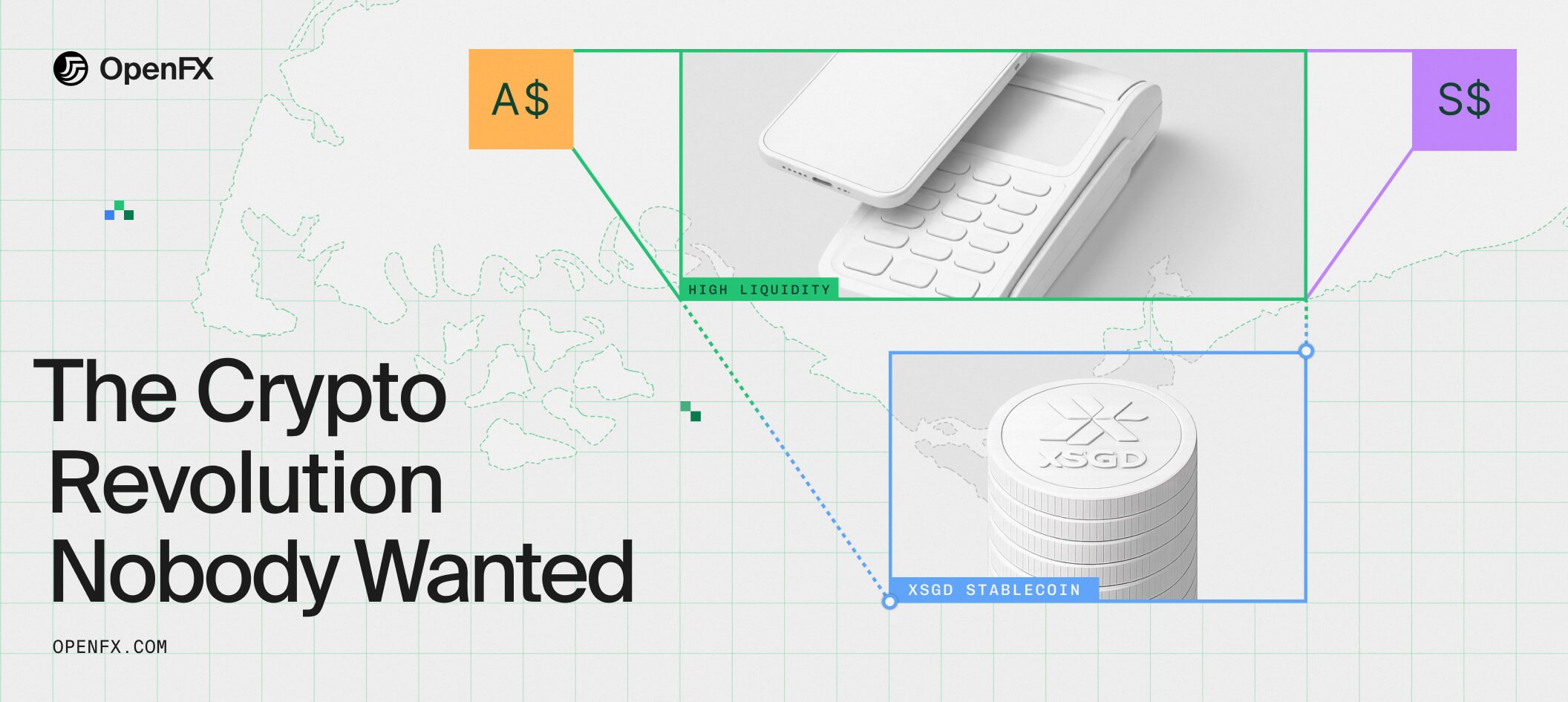
A tourist in Singapore uses Grab to pay a merchant. They tap their phone and money moves. The tourist uses home currency; the merchant receives Singapore dollars. Everyone's happy.
What happened? A stablecoin called XSGD handled conversion and settlement in the middle. Neither party saw it, neither cared.
This is the "stablecoin sandwich"—fiat on both ends, crypto settlement in the middle. PayPal does the same with Xoom remittances: Your grandmother in Manila receives pesos, your cousin in Dubai sends dirhams. PYUSD handles the messy cross-border part invisibly.
Nobody wants to interact with crypto. They want money that moves faster and cheaper. Technology wins when it gets out of its own way.
Boring Beats Revolutionary
JPMorgan's JPM Coin processes $1 billion daily, but you’ve likely never heard of it. Yet, institutions across the globe are choosing to work with Kinexys (their blockchain unit) over the more widely traded USDC and USDT. Why? Because they're boring.
Corporate treasurers know how to work with JPMorgan. They understand the accounting treatment and counterparty risk. There’s zero behavioral change required. "Like a JPMorgan deposit, just tokenized" might be the least exciting pitch in fintech, but for institutional money? That's the best pitch.
Citi projects "bank tokens" could reach $100-140 trillion in annual volume by 2030—potentially more than public stablecoins combined. The revolution showed up in a gray suit, filled out the proper forms, and integrated seamlessly.
The Sideways Revolution
So crypto was supposed to disrupt finance. It kind of did—just not how anyone expected.
SWIFT, the 50-year-old correspondent banking backbone, is building a blockchain-based ledger with 30 global banks. Visa isn't competing to create its own widely traded stablecoin, instead it’s integrating all stablecoins through Visa Direct, positioning itself as the airport through which airlines must fly.
The technology meant to make banks obsolete is instead making them more efficient. 62% of banks are actively deploying fintech partnerships for cross-border payments.
Once regulators gave the go, incumbents moved faster than expected. Disruption became absorption.
What This Means for You
If you're building in this space: Don't build a crypto thing. Build a good product with good, “boring” functionality and abstract everything around the wallet.
The winning model isn't "exciting blockchain innovation." It's an infrastructure people recognize, but one that’s finally solving real problems.
Speed matters more than ideology. Reliability beats decentralization. Trust trumps permissionlessness—at least for institutional flows worth trillions.
The firms capturing market share aren't evangelizing blockchain. They're making it so mundane users don't know they're using it.
So crypto succeeded, just not how the true believers expected. The revolution showed up disguised as better plumbing.
Want the full story? This barely scratches the surface. We just released a comprehensive analysis of how stablecoins reached $300 billion in market cap, why they're still only 1% of global payment flows (and what that paradox actually means), and where this all goes from here.
Download the complete whitepaper →
No hype, just the insider perspective on what's actually happening in cross-border payments to prep you for 2026. Drop your email and we'll send it over.
Share article
Read other articles
Stay informed with our latest articles on currency launches, institutional FX trends, and global liquidity.